/ The challenge
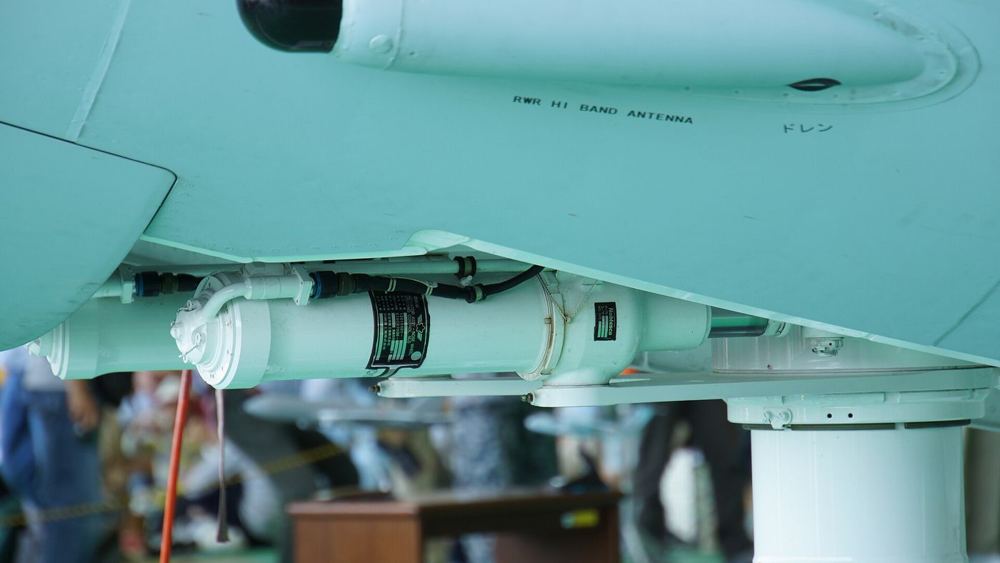
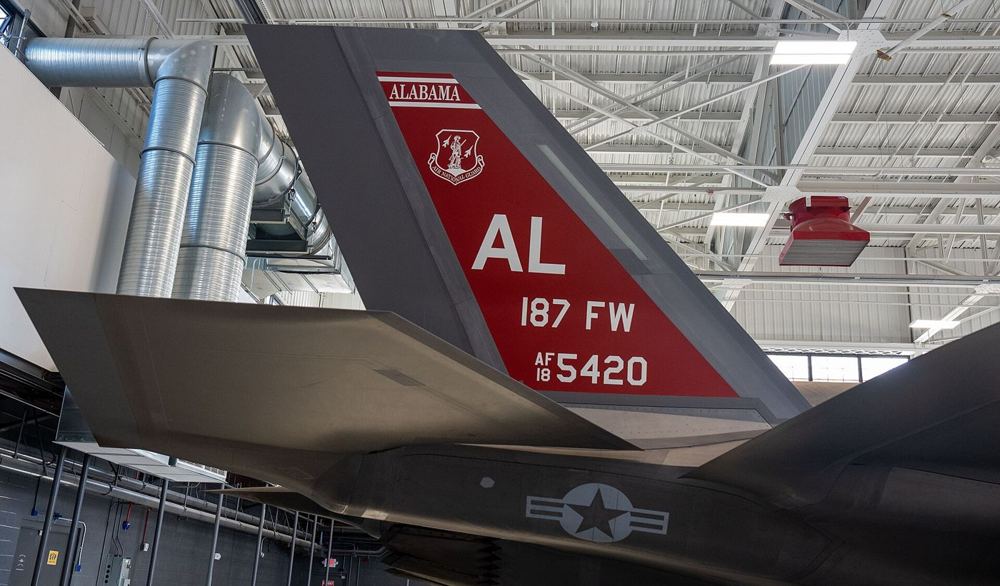
Aerospace assemblies carry covered material in places that are easy to overlook. Samarium-cobalt magnets are common in actuators, motors, sensors and generators that run hot. NdFeB magnets appear in lower-temperature motors and fans. Tungsten heavy alloy is used for balance and counterweights, and tantalum capacitors are widespread in avionics and power electronics.
In aerospace, changing a source is rarely quick. A new magnet supplier or material can mean requalification, first-article inspection and customer approval. That makes it worth knowing early which parts have well-documented upstream stages and which do not, so there is time to ask suppliers the right questions before a customer does.
Your quality system likely already tracks certificates of conformance and material certifications. Those records usually confirm what a material is, not where each upstream stage took place. Lodeline adds the stage-by-stage view: for each covered part we collect origin documents for mining, separation and refining, metal and alloy making, and final production, and record what each one actually covers.
The result is an evidence pack your quality and contracts teams can review alongside your existing records, with every entry tied to a document and every gap listed with the question to send.
Lodeline provides supply-chain documentation and analysis, not legal advice or government certification. Applicability, exceptions, and acceptance depend on the contract and the responsible reviewer.